Introduction to Mongolian Beef
What is Mongolian Beef and Why It’s a Favorite?
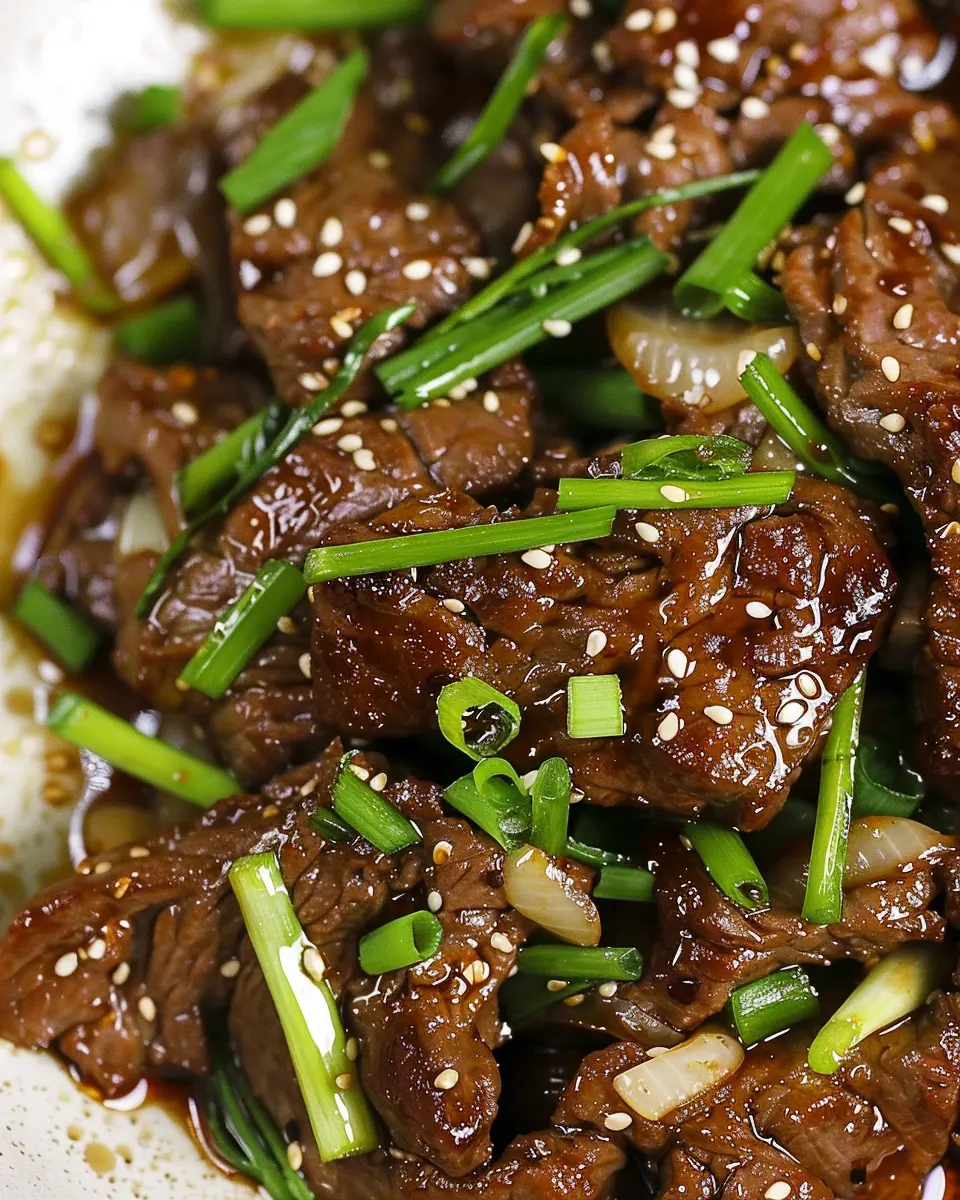
Mongolian beef is a popular dish that hails from Chinese-American cuisine, although its origins are often misunderstood. Despite the name, it doesn’t actually come from Mongolia; instead, it’s a delightful blend of tender beef, a savory soy-based sauce, and green onions that create a mouthwatering experience. What sets this dish apart is its combination of sweet and salty flavors, coupled with a hint of ginger. It’s no wonder Mongolian beef has captivated the hearts (and stomachs) of many, making it a favorite for both casual dining and home-cooked meals.
Personal Discoveries
I stumbled upon Mongolian beef during a spontaneous visit to a local Chinese restaurant with friends in my college years. The moment that tender, sweet-salty beef touched my palate, it was love at first bite! Since then, this dish has become a go-to for cozy dinner nights and casual gatherings with friends. There’s something special about combining simple, fresh ingredients to create a dish that tastes like it took hours to prepare, yet only requires a few basic steps. Every time I make it, I find myself reminiscing about those carefree college nights, filled with laughter and good food.
The Perfect Alternative to Fast Food
In an age where fast food consumes a significant portion of our meals, Mongolian beef serves as an ideal alternative. Not only is it incredibly easy to whip up at home, but preparing it allows you to control the quality of ingredients. By opting for fresh vegetables and a lean cut of beef, you’re not just crafting a delicious meal, but you’re also nourishing your body. Plus, a wholesome homemade dish often brings joy that a drive-thru meal can’t match!
If you’re curious to dive deeper into the culinary world of Mongolian beef, you might check out Chowhound for some additional cooking tips, or explore Food Network for varied interpretations of this beloved dish. Whether you want to impress friends or simply elevate your weeknight dinner, this dish is just what you need!
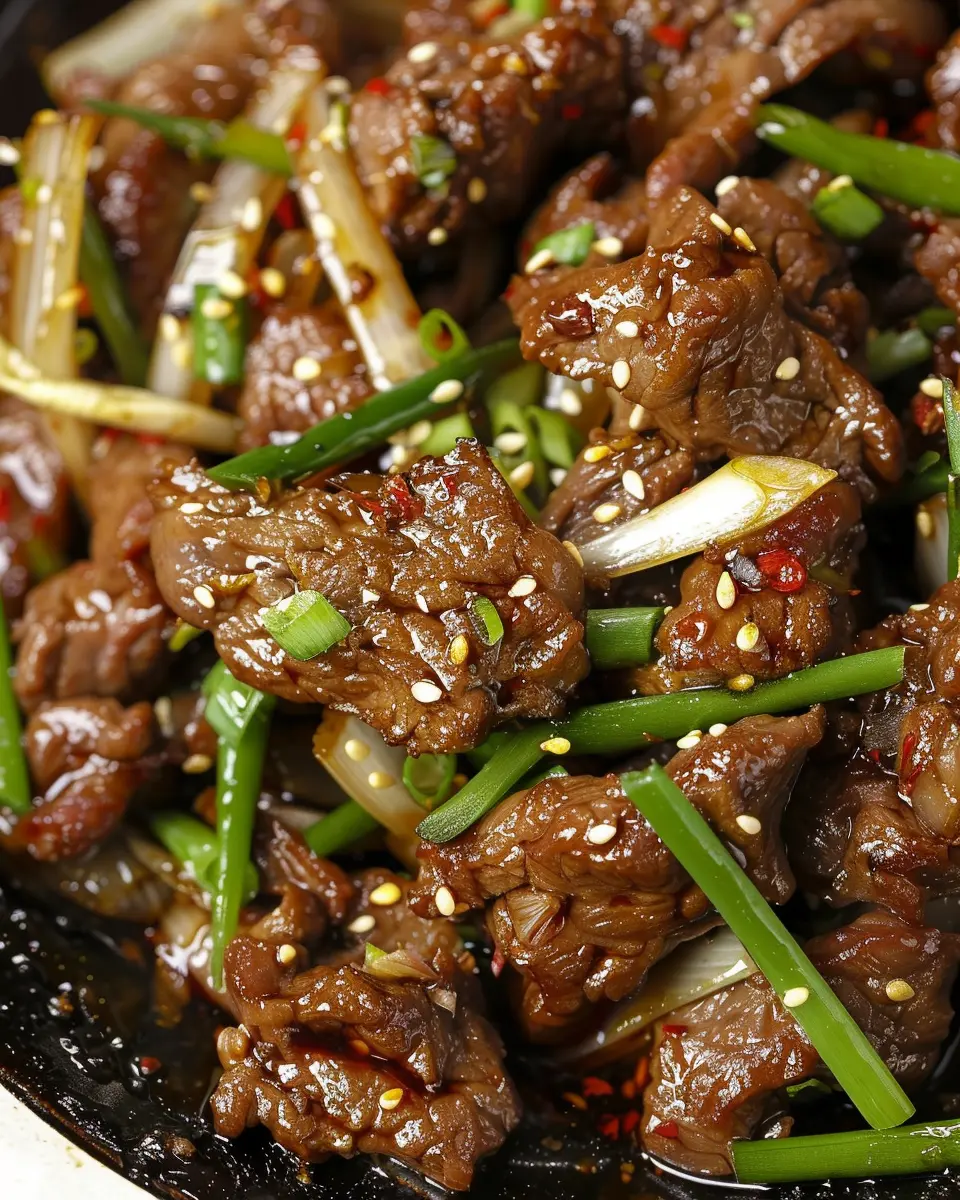
Ingredients for Mongolian Beef
Creating a mouthwatering Mongolian beef dish starts with the right ingredients. Here’s a breakdown of the key ingredients and their roles in elevating the flavors of this beloved recipe.
Key Ingredients and Their Roles
- Beef: Opt for flank steak or sirloin, known for their tenderness and flavor. Thin slices help soak in the sauce beautifully.
- Soy Sauce: This staple brings a savory depth to the dish. Choose low-sodium soy sauce for a healthier option.
- Brown Sugar: Adds that delightful sweetness that balances the soy sauce’s saltiness.
- Ginger and Garlic: These aromatics enhance taste and provide a warm, comforting aroma to your Mongolian beef.
- Scallions: These add freshness and a mild onion flavor that complements the dish.
Suggested Substitutions for Ingredient Flexibility
If you’re missing something or looking for alternatives:
- Turkey Bacon instead of beef can provide a unique twist.
- Use chicken ham for a different flavor profile, especially if you want a lighter option.
- For a vegetarian version, consider substituting beef with tofu or tempeh and using a vegan soy sauce.
For more on ingredient swaps, check out this guide on ingredient substitutions.
Embrace these variations to cater to your taste, making your Mongolian beef experience truly yours!
Preparing Mongolian Beef
Cooking Mongolian beef at home might sound daunting at first, but trust me, it’s easier than it seems! Follow these steps, and you’ll have a delicious meal that will impress anyone at your dining table.
Gather and prep all ingredients
First things first—let’s make sure you have everything you need before diving in. Here’s a handy list of ingredients for your Mongolian beef:
- Beef: Flank steak is a popular choice for its tenderness.
- Soy sauce: Use low-sodium soy sauce to keep the dish flavorful without overwhelming saltiness.
- Brown sugar: This will add a sweet contrast to the savory flavors.
- Ginger and garlic: Fresh ginger and minced garlic are essential for that authentic taste.
- Green onions: They add a nice crunch and freshness.
- Cornstarch: For marinating the beef and to thicken the sauce.
- Oil: Choose a high-heat oil such as vegetable or canola oil for frying.
Once you’ve got your ingredients, prep is key. Slice the beef against the grain into thin strips, usually about 1/4-inch thick. This will help achieve a tender bite! Remember to also mince the garlic, grate the ginger, and chop the green onions.
Marinate the beef to enhance flavor
Now that everything is chopped and ready, it’s time to marinate the beef. In a mixing bowl, combine:
- 2 tablespoons of soy sauce
- 2 tablespoons of brown sugar
- 1 tablespoon of cornstarch
This marinade not only amplifies flavor but also helps the meat retain moisture during cooking. Toss the sliced beef in the marinade and let it rest for at least 15 minutes, or up to 30 minutes if you have the time. Interestingly, marinating can drastically enhance the flavor of lean cuts of meat, as highlighted by culinary experts in this article.
Optional – Prepare fried vermicelli nests
While your beef is marinating, consider adding a visual flair to your plate with fried vermicelli nests. For this:
- Soak the vermicelli in hot water for about 10 minutes until softened.
- Drain and separate the strands.
- Heat oil in a skillet and carefully add small handfuls of the vermicelli. Fry until golden and crispy, then drain on paper towels.
These nests make for an attractive base for your Mongolian beef and add an interesting texture!
Cook the beef to achieve that perfect sear
Once marinated, it’s time to heat things up! In a large skillet or wok, heat 2 tablespoons of oil over medium-high heat. Add the beef in a single layer—don’t overcrowd the pan, or you won’t get that beautiful sear. Allow the beef to cook undisturbed for about 2 minutes, then flip it over to sear the other side. You’re looking for a lovely brown crust, which usually takes about 4-5 minutes in total.
Combine ingredients and finish cooking
After your beef is beautifully seared, it’s time to bring everything together. Reduce the heat to medium and add the minced garlic, ginger, and any remaining marinade, stirring well to coat the beef. Let it simmer for about 2-3 minutes, or until the sauce thickens slightly. Enjoy watching the components of your Mongolian beef meld together!
Finally, toss in the chopped green onions just before serving, and if you prepared those crunchy vermicelli nests, now’s the time to plate it all up.
Making Mongolian beef is not only rewarding but allows you to enjoy a delicious meal right at home. So, roll up your sleeves, gather your wardrobe of ingredients, and get cooking! Your taste buds will thank you.
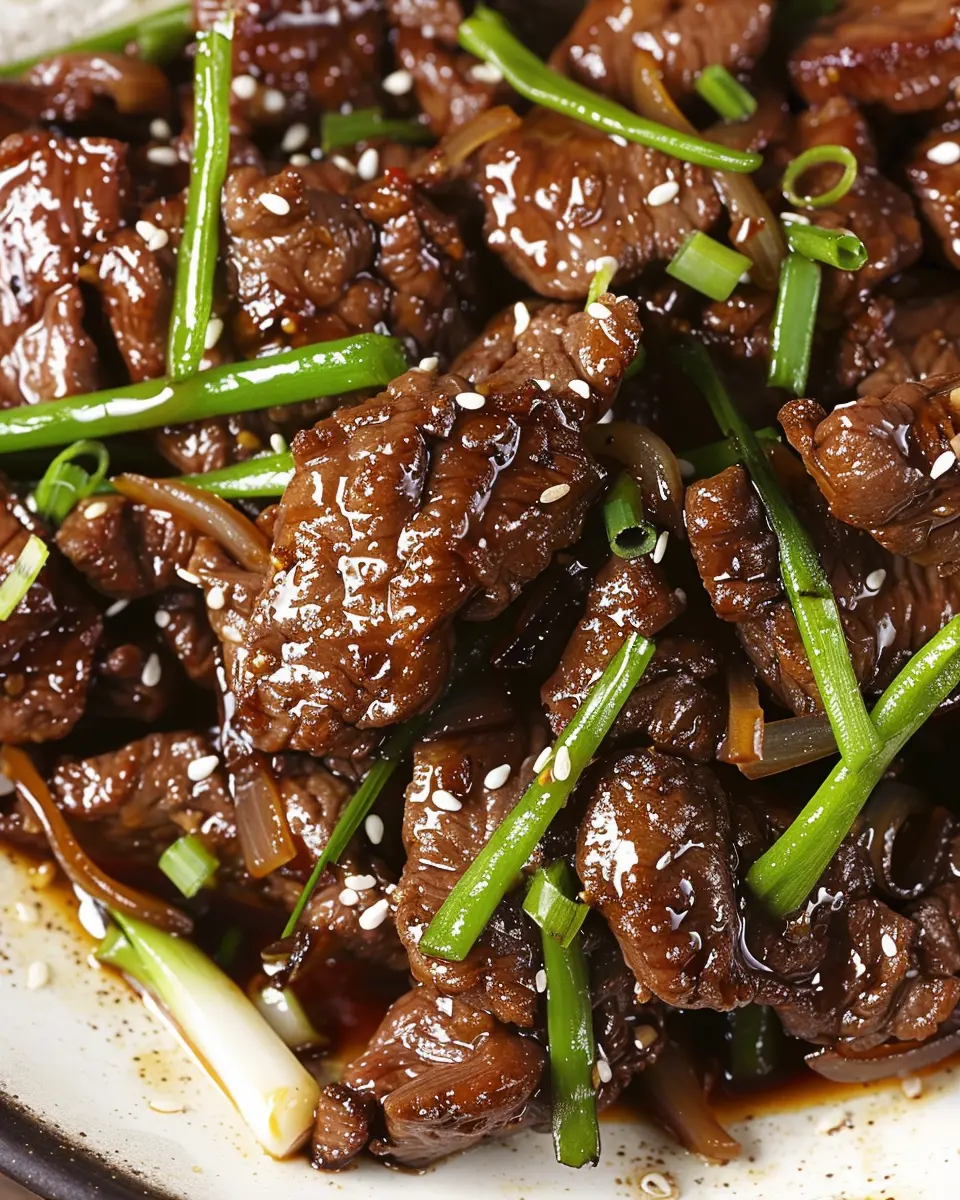
Variations on Mongolian Beef
Exploring different iterations of Mongolian beef can be a delicious journey. Whether you’re in the mood for a spicy kick or looking for a vegetarian-friendly option, there are many paths to take.
Spicy Mongolian Beef for Those Who Like a Kick
If you enjoy a bit of heat, consider adding extra chili flakes or a splash of Sriracha to your Mongolian beef. You could even toss in some sliced jalapeños for an authentic zing. This spicy twist balances beautifully with the sweetness of the soy sauce, creating a flavor explosion. Don’t forget to serve it with steamed rice to help tame the heat!
Vegetarian-Friendly Options Using Tofu or Mushrooms
For those seeking a plant-based alternative, why not swap beef for tofu or mushrooms? Marinating tofu in the same savory sauce allows it to absorb those fantastic flavors. Or try using shiitake mushrooms, which provide a rich, umami taste that complements the dish perfectly. Check out resources like The Vegetable Butcher for tips on prepping tofu and mushrooms to maximize flavor.
Alternative Proteins: Chicken or Turkey Bacon Variations
If you’re not a beef fan, chicken can easily step in as a lighter alternative. Simply substitute chicken breast sliced into thin strips, and follow the Mongolian beef cooking method. For a unique twist, incorporating diced turkey bacon can add a smoky flavor, enhancing the dish without overpowering it. This approach offers a delicious way to enjoy those classic flavors while mixing things up!
Each of these variations can bring something special to your dinner table, inviting friends and family to enjoy a meal together. Why not experiment and see which version speaks to you?
Cooking tips and notes for Mongolian Beef
Tips for slicing beef properly
When preparing Mongolian beef, the way you slice the meat is crucial for tenderness and flavor infusion. Start by choosing a good cut like flank steak or sirloin, as these have the perfect balance of flavor and tenderness. For the best results, freeze the beef for about 20-30 minutes before slicing. This firms up the meat and makes it easier to cut thinly against the grain. Aim for slices about 1/4 inch thick; this will help the beef cook quickly and absorb the delicious marinade effectively.
Advice on achieving the right level of sweetness
The sweetness in Mongolian beef enhances the overall flavor profile, but balancing it is key. Start with a mix of soy sauce and brown sugar for that rich taste. If you find it’s too sweet, feel free to incorporate a splash of low-sodium soy sauce or add some fresh ginger to cut through the sweetness. This will give a nice depth to your dish. Don’t hesitate to taste the sauce as you go—adjusting gradually will yield just the right balance for your palate.
For more tips on seasoning and ingredient pairings, check out resources from sites like Serious Eats or Bon Appétit. Happy cooking!
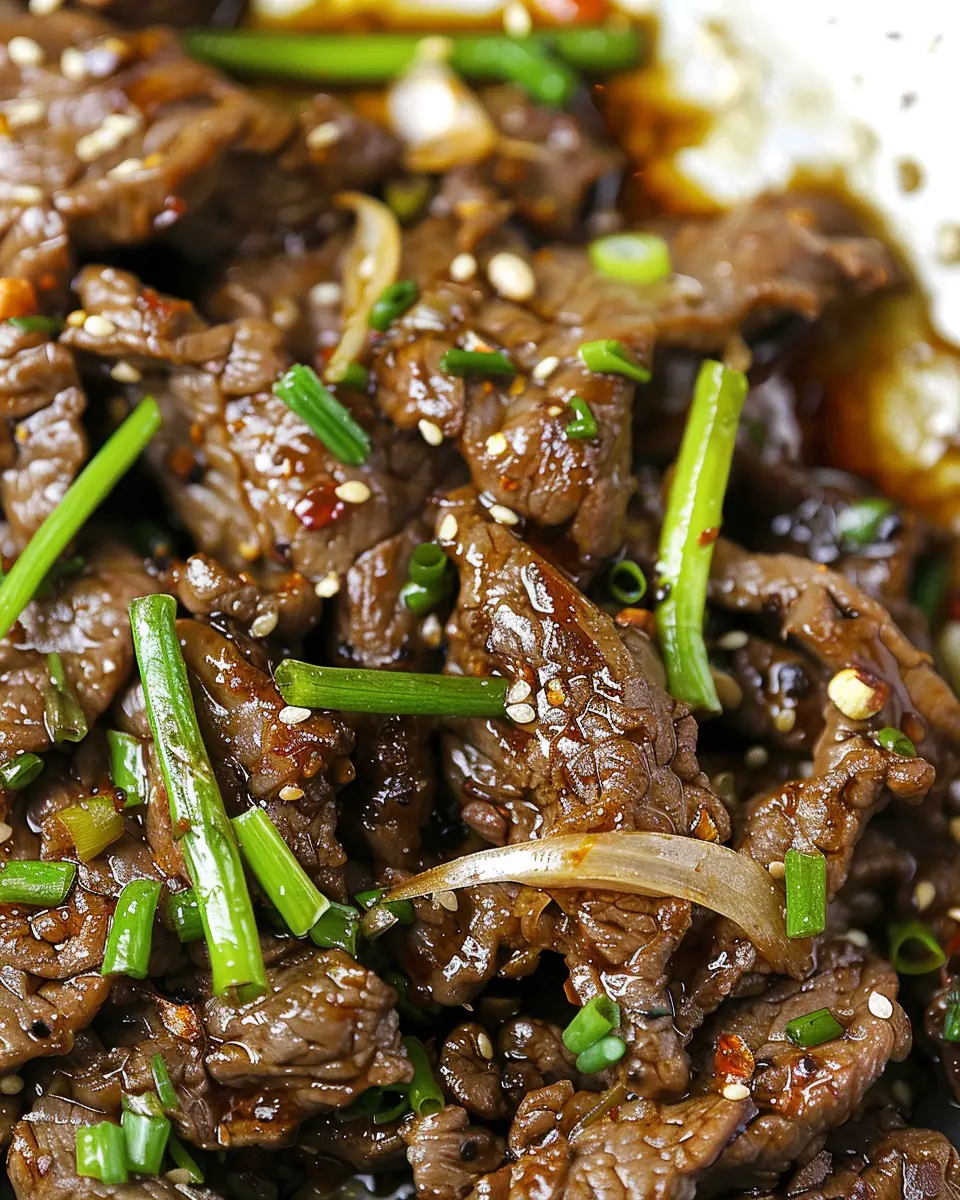
Serving Suggestions for Mongolian Beef
Best Rice or Noodle Pairings
When it comes to pairing with Mongolian beef, the options are delightfully varied! Appetizing steamed jasmine rice is a wonderful choice, as its subtle flavor balances the dish’s bold, sweet-and-savory notes. For a more heartwarming twist, consider serving it over fluffy fried rice or noodles. Egg noodles, in particular, can soak up the rich sauce beautifully, making each bite extra delightful.
Creative Side Dishes to Elevate the Meal
To truly elevate your Mongolian beef experience, complement the main dish with some unique sides. Here are a few suggestions:
- Stir-Fried Vegetables: Add a colorful medley of bell peppers, broccoli, and snap peas for crunch and nutrients.
- Savory Spring Rolls: These can bring a crunchy texture to your plate, perfect for dipping in soy sauce or sweet chili.
- Pickled Vegetables: A tangy side of pickled carrots or daikon can refresh your palate between bites.
Embrace the variety! Who knew Mongolian beef could lend itself to so much creativity? For more on pairing suggestions, check out our friends at Serious Eats. Your taste buds will thank you!
Time breakdown for Mongolian Beef
Preparation time
Getting started on your Mongolian beef is a breeze! You’ll want to allocate about 15-20 minutes for prep work. This includes slicing the beef into thin strips, chopping your green onions, and gathering your ingredients. Having everything ready saves time later and makes the cooking process a lot smoother.
Cooking time
The cooking process itself won’t take long—approximately 10-15 minutes! You’ll see your ingredients transform as you sauté them and create that delicious, savory sauce that makes Mongolian beef so scrumptious.
Total time for a homemade meal
In total, you’re looking at around 30-35 minutes from start to finish for this homemade meal. That’s perfect for a busy weeknight dinner when you want something quick yet satisfying. Plus, you’ll have a delightful homemade dish that leaves takeout behind! For more quick and easy meal ideas, check out this resource.
Nutritional Facts for Mongolian Beef
When diving into the delicious world of Mongolian beef, it’s nice to understand what you’re putting on your plate. A typical serving (about 3 ounces) packs roughly 250-300 calories, primarily thanks to the beef and any sauces you use.
Calories and Nutritional Breakdown
- Calories: 250-300 per serving
- Protein: 20-25g (good for muscle!)
- Fat: 15-20g (mostly from beef)
- Carbohydrates: 10-15g (great for energy)
Key Vitamins and Minerals
Mongolian beef offers several essential nutrients:
- Iron: Vital for energy and overall health.
- Zinc: Supports your immune function.
- Vitamin B12: Important for nerve health and blood formation.
For more in-depth nutritional info, check out resources from NutritionData or USDA FoodData Central. Understanding your meals can help you make healthier choices while still enjoying your culinary adventures!
FAQs about Mongolian Beef
Can Mongolian Beef be made ahead of time?
Absolutely! Mongolian beef is a fantastic dish to prepare in advance. You can cook the beef and sauce ahead, then store the components separately in the fridge for up to three days. Just reheat everything in a pan over medium heat when you’re ready to serve. If you’re in a hurry, consider making it on the weekend for easy meals during a busy week. This method not only saves you time but also allows the flavors to meld beautifully!
What can I pair with Mongolian Beef for a complete meal?
To create a well-rounded meal, consider serving your Mongolian beef with:
- Steamed rice: Classic and filling, it perfectly absorbs the rich sauce.
- Stir-fried vegetables: Bell peppers, broccoli, or snap peas add a crunch and color.
- Spring rolls: These can be a delightful appetizer to start your meal.
- Miso soup: A warm bowl of miso can balance the flavors and satisfy your cravings.
Feel free to mix and match to suit your taste! Finding what complements your Mongolian beef can turn a simple dinner into an unforgettable experience.
How do I store leftovers properly?
Storing leftover Mongolian beef is a breeze!
- Allow it to cool completely before transferring it to an airtight container.
- Refrigerate and consume within three days for the best flavor and safety.
- If you want to keep it longer, consider freezing it. Properly wrapped, it can last up to three months.
When reheating, remember that moisture can help—add a splash of water or broth for optimal texture. For more tips on food storage, check out this expert guide on leftover safety.
By taking these steps, you can enjoy your Mongolian beef even days later—what’s not to love about that?
Conclusion on Mongolian Beef
Recap the joys of homemade Mongolian Beef
As we’ve explored, Mongolian Beef is not just a dish; it’s a delightful experience that brings together tender beef, vibrant flavors, and the joy of cooking at home. The aroma of sizzling beef infused with soy sauce and green onions fills your kitchen, prompting a cozy, inviting atmosphere. Plus, it’s a fantastic way to impress friends or family with minimal effort!
Encouragement to Try Cooking It Yourself
Now, it’s your turn to embrace this culinary adventure! Creating your own Mongolian Beef allows you to customize the flavors to your liking. Whether you prefer it spicy or sweet, experimenting with your own ingredients can lead to exciting discoveries. Don’t hesitate to give it a go; your taste buds will thank you! For comprehensive tips on cooking and ingredient selection, check out reputable culinary sites like Serious Eats and Food Network. Happy cooking!
PrintMongolian Beef: Easy Homemade Recipe for Indulgent Nights
This Mongolian Beef recipe is easy to prepare and perfect for indulgent nights.
- Prep Time: 15 minutes
- Cook Time: 10 minutes
- Total Time: 25 minutes
- Yield: 4 servings 1x
- Category: Dinner
- Method: Stir-fry
- Cuisine: Mongolian
- Diet: Gluten-free
Ingredients
- 1 pound flank steak, sliced thinly against the grain
- 2 tablespoons cornstarch
- 2 tablespoons vegetable oil
- 1 tablespoon minced garlic
- 1 tablespoon minced ginger
- 1/2 cup soy sauce
- 1/2 cup brown sugar
- 4 green onions, chopped
Instructions
- In a bowl, coat the sliced flank steak with cornstarch and let it sit for about 15 minutes.
- Heat oil in a large skillet over medium-high heat and add the marinated beef.
- Cook until browned, then add garlic and ginger, stirring for about 1 minute.
- Pour in soy sauce and brown sugar, stirring until thickened.
- Add chopped green onions and stir well. Cook for another minute before serving.
Notes
- For more flavor, let the beef marinate in the soy sauce for 30 minutes.
- Serve with steamed rice or noodles.
Nutrition
- Serving Size: 1 cup
- Calories: 350
- Sugar: 20g
- Sodium: 900mg
- Fat: 15g
- Saturated Fat: 3g
- Unsaturated Fat: 10g
- Trans Fat: 0g
- Carbohydrates: 30g
- Fiber: 1g
- Protein: 25g
- Cholesterol: 70mg
Keywords: Mongolian Beef, Easy Recipe, Homemade