Introduction to Budae Jjigae
What is Budae Jjigae?
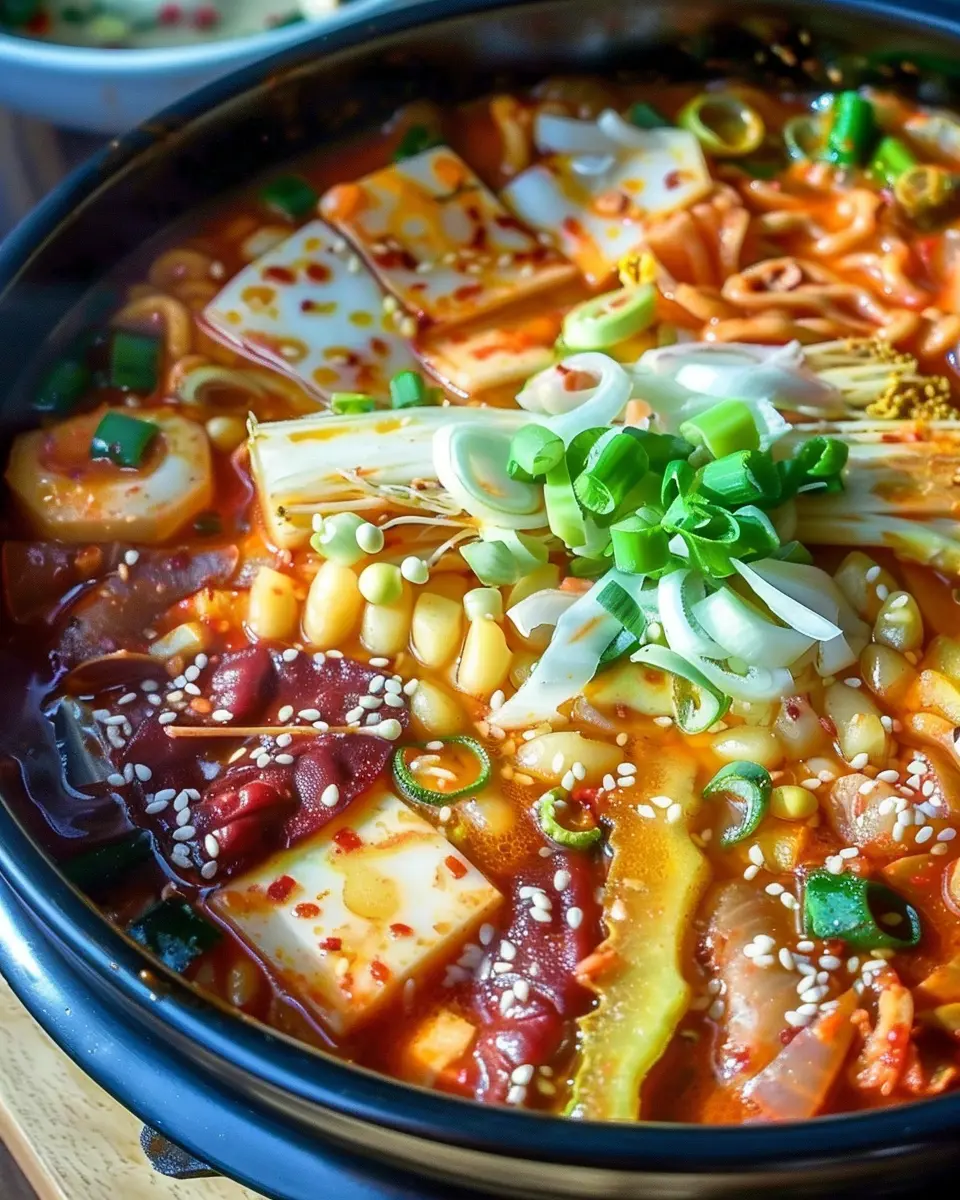
Budae Jjigae, often referred to as Korean Army Stew, is a hearty and flavorful dish that combines a medley of ingredients, making it a perfect comfort food. The star of the show? A delicious mix of meats, spicy broth, and various vegetables. Traditionally, you’ll find ingredients like Turkey Bacon, Chicken Ham, and even Beef, all simmered together in a rich, spicy broth infused with Korean staples like gochujang (Korean chili paste) and kimchi. Just imagine the savory goodness, each bite bursting with flavor!
A Brief History of Korean Army Stew
The origins of Budae Jjigae are quite fascinating. Post-Korean War, food scarcity in South Korea led to creative culinary fusions. To cope, locals began using surplus ingredients from U.S. military bases—such as canned beans and Spam—combined with traditional Korean elements. This innovative dish quickly gained popularity, both in homes and restaurants throughout South Korea. Today, it represents a unique blend of cultures, showcasing how food can unite even during challenging times. For a deeper dive into this dish’s rich history, check out Korean Food Foundation.
Why It’s Perfect for Homemade Meals
Choosing Budae Jjigae for your next homemade meal is a decision that pays off in versatility and flavor! Here’s why:
- Customizable: You can adjust the spice levels to suit your palate, making it a family-friendly meal.
- Quick and Easy: This dish can come together in under 30 minutes, providing a satisfying option for busy weeknights.
- Nourishing: Loaded with proteins and veggies, it’s not just tasty—it’s also good for you.
Imagine gathering around the table with friends and family, all enjoying the warm, comforting aroma wafting through your kitchen. Plus, it’s a fun dish to share, as everyone can contribute by adding their favorite ingredients to the pot.
So, whether you’re a seasoned home cook or just starting out, Budae Jjigae is a delightful dish to explore! Get ready to embark on a culinary journey that will undoubtedly impress your dinner guests and satisfy your taste buds.
Ingredients for Budae Jjigae
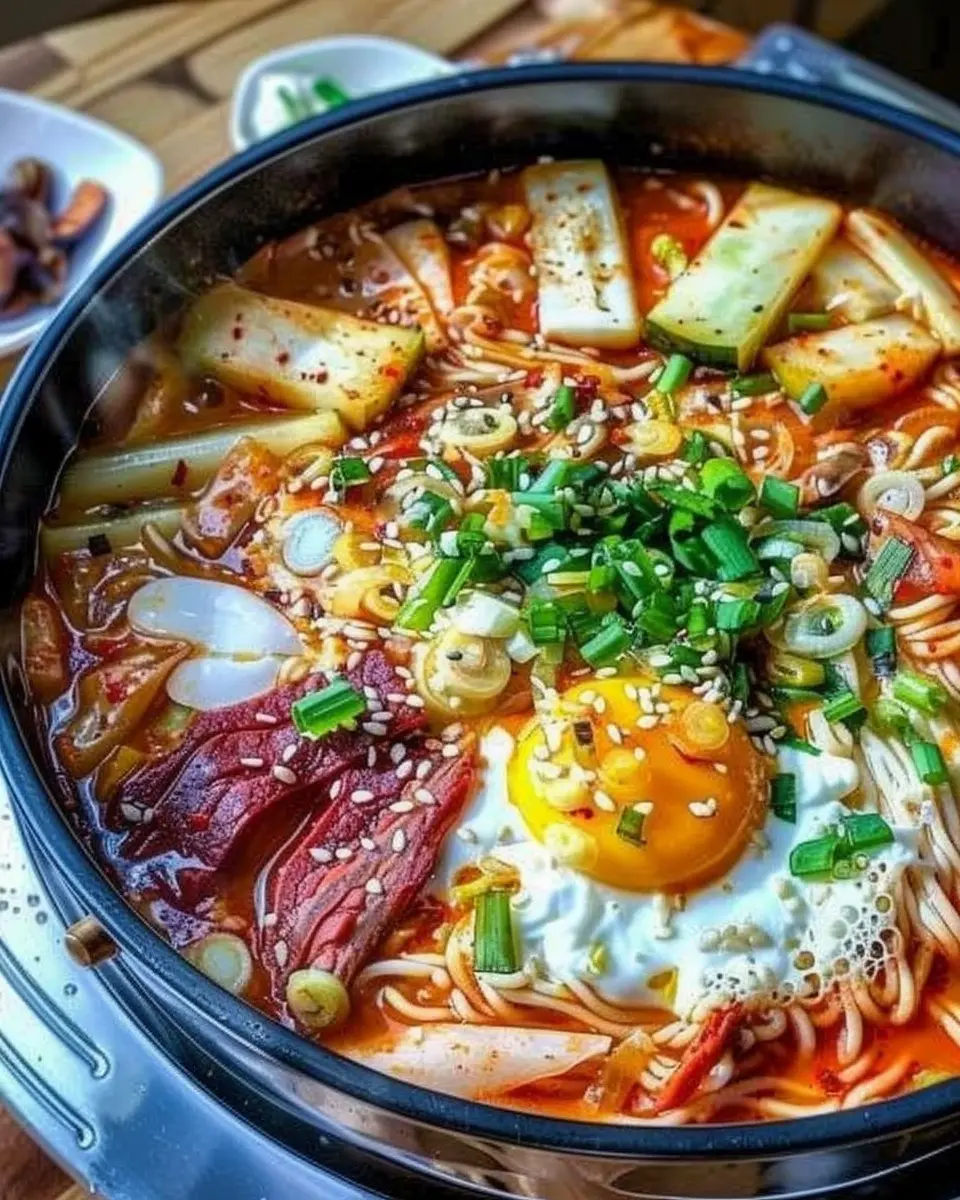
When it comes to making Budae Jjigae, also known as Korean Army Stew, the ingredients play a crucial role in delivering that authentic, mouthwatering experience. Here’s what you’ll need to gather for a delicious pot of this hearty stew.
Essential ingredients list
- Beef: Tender beef adds depth to the stew.
- Turkey Bacon: A leaner option that still delivers that smoky flavor.
- Chicken Ham: For a bit of sweetness and a familiar taste.
- Kimchi: This fermented delight provides a tangy kick.
- Tofu: Adds a nice texture and absorbs all the fantastic flavors.
- Instant noodles: The perfect finish to soak up the broth.
- Vegetables: Common choices include mushrooms, green onions, and bok choy.
- Broth: You can use chicken or vegetable broth for a rich base.
- Seasoning: Soy sauce, gochujang (Korean chili paste), and sesame oil are essential.
Substitutions or alternatives
Not all ingredients are set in stone, so feel free to customize! If you’re vegetarian, swap the meat for more tofu or even seitan. For those avoiding spicy food, you can reduce the gochujang or replace it with sweet chili sauce. Remember, cooking is all about creativity—what’s your favorite twist on Budae Jjigae?
For more inspiration, check out Korean Food Foundation for tips on traditional ingredients and variations.
Preparing Budae Jjigae
Budae Jjigae, or Korean Army Stew, is a vibrant dish that boasts a delightful medley of flavors and textures. As you embark on making this delicious stew, you’ll find that it’s not just about mixing ingredients; it’s about crafting a warm, satisfying meal that tells a story of resourcefulness and creativity. Let’s walk through the steps to creating this iconic dish.
Gather and prep the ingredients
The first step in preparing Budae Jjigae is to gather all the necessary ingredients. Here’s what you’ll need:
- Beef: Sliced thinly, it adds a rich flavor.
- Turkey Bacon: Adds a smoky element that blends beautifully with the stew.
- Chicken Ham: This gives a bit of sweetness and softness.
- Tofu: Cut into cubes, it offers a nice, creamy texture.
- Kimchi: For that spicy kick—don’t skimp on this!
- Vegetables: Onions, scallions, and mushrooms add freshness.
- Instant noodles: A key component; they absorb all the flavors.
- Cheese: Your choice, but mozzarella is divine when melted.
Once you have everything, prep your ingredients ahead of time. Slice the beef and turkey bacon, chop the vegetables, and ensure your kimchi is ready. Having everything on hand makes the cooking experience smoother and more enjoyable. You can discover more about ingredient varieties and preparations by checking out resources like Maangchi.
Mix the sauce for depth of flavor
Next, let’s whip up a flavorful sauce that will elevate your Budae Jjigae to another level. In a bowl, mix together:
- 2 tablespoons of gochujang (Korean chili paste)
- 1 tablespoon of gochugaru (Korean chili flakes)
- 2 tablespoons of soy sauce
- 1 tablespoon of sesame oil
- 1 tablespoon of sugar
- 2 cups of broth (beef or vegetable, whichever you prefer)
By combining these ingredients, you’re creating a harmonious balance of spicy, sweet, and savory notes. If you want to make it even more complex, consider adding a dash of fish sauce for umami depth.
Arrange ingredients in the pot
Now that your sauce is ready, it’s time to assemble everything in a pot. Choose a large, deep pot, preferably one that can go directly to the table for serving—you want that communal, cozy vibe. Start layering your ingredients as follows:
- Begin with the beef and turkey bacon at the bottom.
- Toss in the chicken ham and tofu next.
- Scatter the vegetables over the meat, ensuring even distribution.
- Pour your delicious sauce over the top.
- Finally, add the kimchi on the very top for that extra zing.
This layering method is essential because it allows the flavors to meld beautifully as they cook.
Simmer and cook to perfection
Put your assembled pot on medium heat, cover it, and let it simmer for about 10-15 minutes. The key here is patience! A slow simmer allows all those wonderful flavors to mingle. If you notice it getting too thick, don’t hesitate to add a little more broth or water to keep it moist and flavorful.
If you’re curious about how simmering changes the flavor profile of dishes, you might want to check out Serious Eats.
Add the noodles and cheese last
When your stew is beautifully fragrant and bubbling, it’s time for the finishing touches. Generally, you’ll want to add the instant noodles and cheese towards the end—about 5 minutes before serving.
- Cook the noodles directly in the stew; they’ll soak up the flavors magnificently.
- Once the noodles are in, sprinkle a generous handful of shredded cheese on top. The heat will melt the cheese, creating a dreamy, gooey topping that is simply irresistible.
After a brief simmer, your Budae Jjigae is ready to be devoured! Ladle the stew into bowls and enjoy your creation with friends or family. The warmth and heartiness of this stew are sure to leave everyone satisfied.
Bon appétit, or as they say in Korea, 잘 먹겠습니다 (jal meokkessumnida)!
Variations on Budae Jjigae
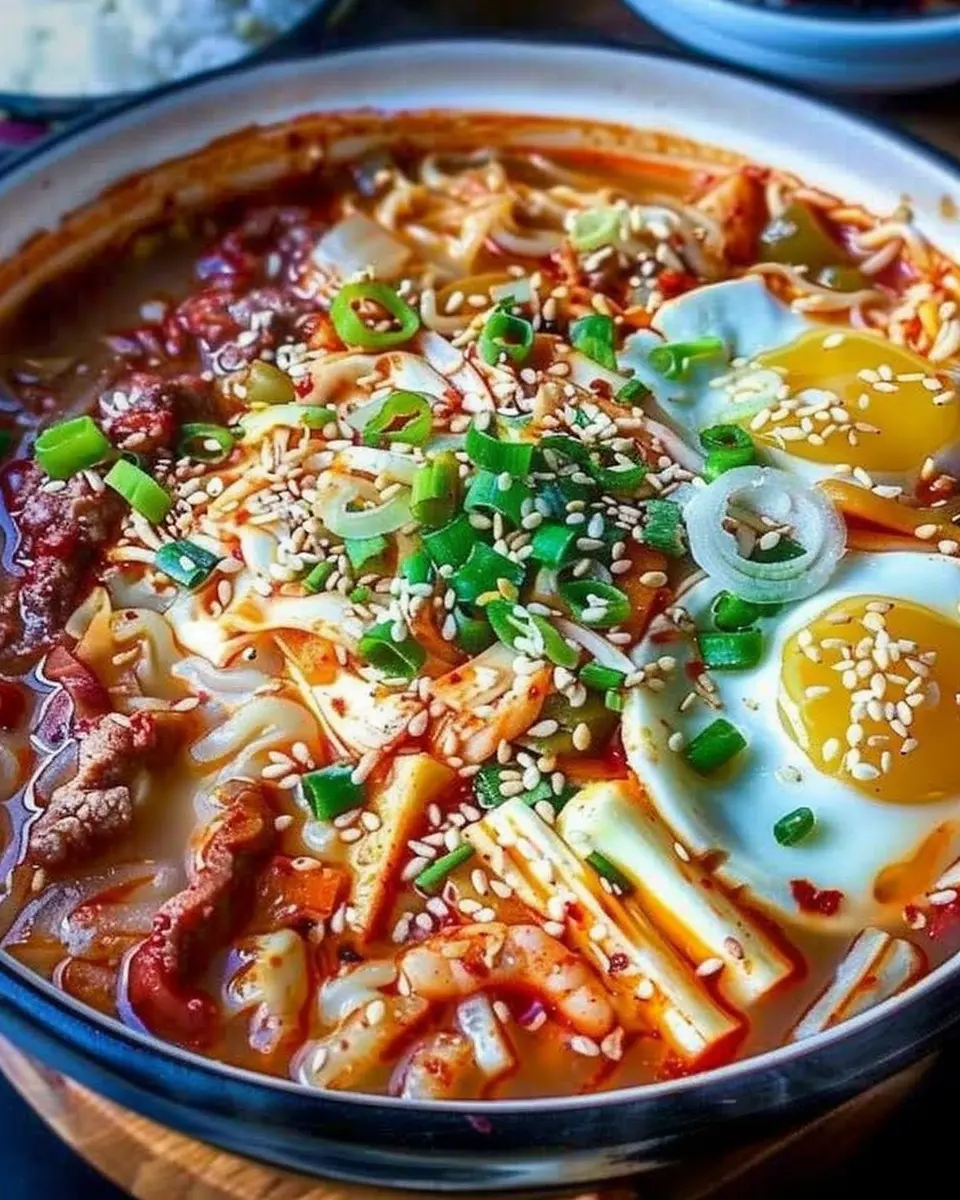
Budae Jjigae, or Korean Army Stew, is all about comfort and creativity. One of the best parts about this dish is how easily it can be tailored to suit different dietary preferences and local ingredients. Let’s dive into some tasty variations!
Exploring Vegetarian or Vegan Versions
If you’re looking to enjoy a vegetarian or vegan take on Budae Jjigae, you don’t have to sacrifice flavor. Start with a robust vegetable broth—think mushroom or seaweed-based for that umami kick. Replace turkey bacon and chicken ham with hearty plant-based alternatives like tempeh or seitan. Load up on tofu and a colorful array of veggies like spinach, zucchini, and mushrooms to ensure you get a satisfying meal. These options not only retain the comforting essence but also bring in fresh nutrition.
Adding Different Proteins to Budae Jjigae
Want to mix up the protein game? Consider swapping in grilled chicken or even shrimp for a different twist. Thinly sliced beef contributes to the heartiness, while turkey bacon can deliver that smoky essence unique to Budae Jjigae. Experimenting with different proteins adds fun textures and flavors, making each pot a unique experience.
Flavor Twists with Local Ingredients
Get adventurous with Budae Jjigae by incorporating local ingredients! If you have access to seasonal produce, why not toss in some fresh corn, squash, or local peppers? Additional flavoring can come from miso paste or a splash of soy sauce, and maybe a few slices of kimchi for that authentic tang.
Such variations not only customize your stew to your taste but also celebrate the local bounty and bring a sense of place to your meal. For more ideas, check out this article on seasonal ingredients to explore what’s fresh near you! Enjoy making your Budae Jjigae an expression of your culinary creativity.
Cooking Tips for Budae Jjigae
Adjusting Spice Levels
When it comes to Budae Jjigae, finding the right balance of spice is key. Start with a small amount of gochujang (Korean chili paste) and gochugaru (Korean chili flakes); you can always add more as needed. If you’re sensitive to heat, consider keeping some yogurt or milk nearby to cool the palate.
Best Practices for Ingredient Freshness
The freshness of your ingredients plays a huge role in the dish’s overall flavor. Aim for high-quality, fresh vegetables and proteins. For the best taste, use:
- Fresh mushrooms like enoki or shiitake
- Greens such as Napa cabbage or spinach
- Quality turkey bacon and chicken ham from reputable brands
Incorporating fresh ingredients not only enhances flavor but also adds nutritional value, making your stew both delicious and wholesome.
Essential Cooking Tools
The right cooking tools can make your Budae Jjigae journey smoother. Here’s what you’ll need:
- A heavy-bottomed pot or a Dutch oven for even cooking
- A ladle for serving
- A sharp knife for prep work
Having these on hand will ensure that your cooking experience is efficient and enjoyable, letting you focus on that perfect blend of flavors. For more cooking tips, consider visiting resources like Serious Eats or Just One Cookbook, which offer great insights into Korean cooking techniques.
Happy cooking!
Serving Suggestions for Budae Jjigae
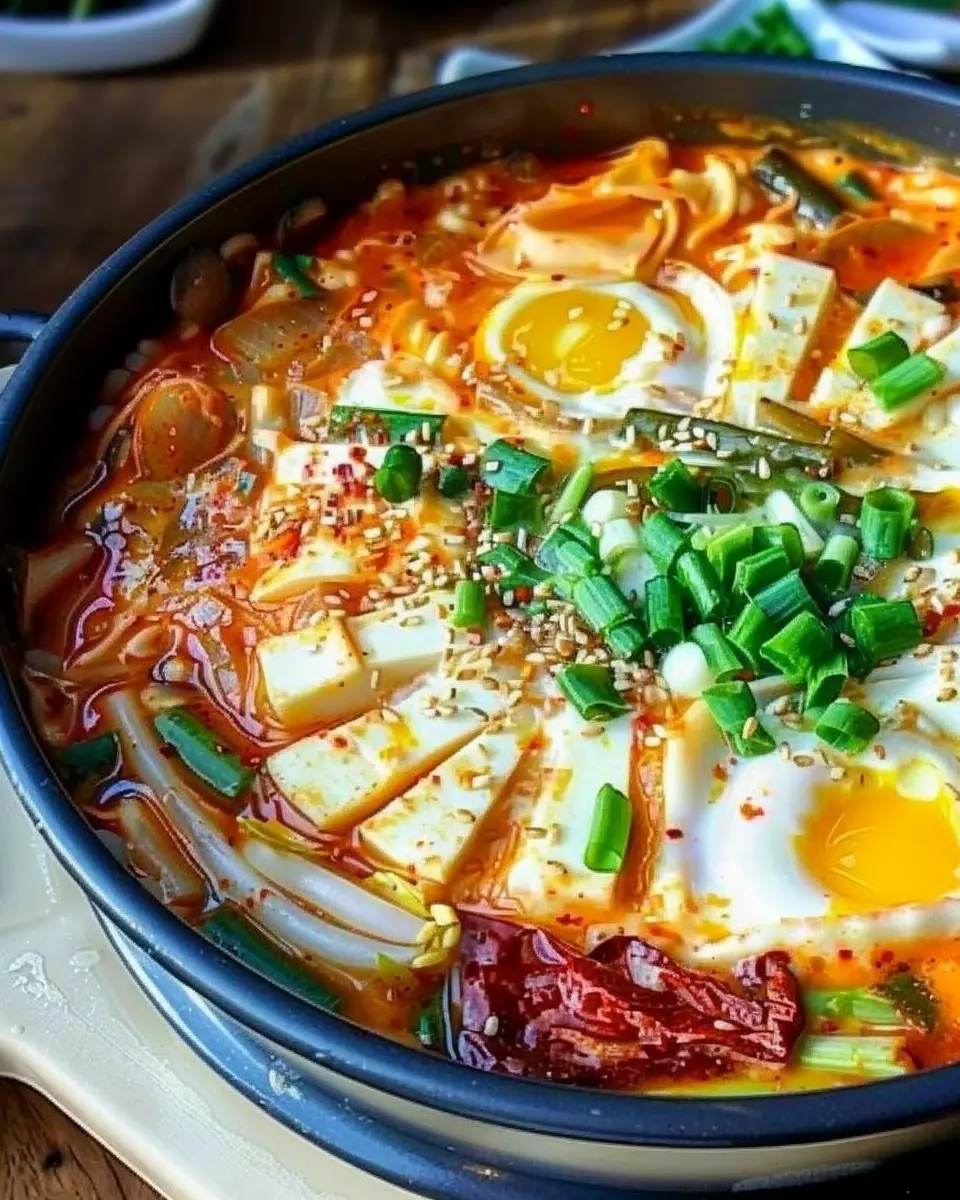
Budae Jjigae, or Korean Army Stew, is a hearty dish that promotes camaraderie and warmth. Here are some suggestions to make your steamy bowl even more delightful!
Traditional Accompaniments
To truly capture the spirit of this dish, consider serving your Budae Jjigae with:
- Steamed White Rice: A classic companion, allowing you to soak up that flavorful broth.
- Kimchi: This spicy and tangy side dish adds a perfect kick, balancing the richness of the stew.
- Pickled Radish: For a refreshing crunch, this can serve as a great palate cleanser.
Check out this article to dive deeper into the essence of these traditional pairings.
Creative Serving Ideas
Feeling adventurous? Try some creative twists with your Budae Jjigae:
- Toppings Galore: Add a dollop of sour cream or jalapeños for an unexpected flavor boost!
- Noodle Delight: Incorporate instant ramen noodles for a filling upgrade that’s both trendy and comforting.
- DIY Bar: Set up a Budae Jjigae station where guests can customize their bowls with additional ingredients like extra turkey bacon, beef, and assorted veggies.
Remember, the key is to keep it fun and interactive, making each bowl feel personal! Share your favorite toppings on social media and inspire others to enjoy this culinary experience!
Time Breakdown for Budae Jjigae
Preparation time
Getting ready to whip up a delicious pot of Budae Jjigae is quick and easy! You’ll need about 15-20 minutes to gather ingredients like beef, turkey bacon, chicken ham, and your favorite vegetables. Chopping and prepping will kick off the cooking adventure nicely.
Cooking time
The real magic begins in the kitchen. For cooking, set aside around 30 minutes. This allows the flavors of the broth and ingredients to marry beautifully. Remember, the longer you let it simmer, the richer the taste!
Total time
All in all, you’re looking at around 45-50 minutes from prep to table. Perfect for a weeknight dinner or cozy weekend meal with friends. Considering the full flavor payoff, it’s a rewarding use of your time! For more tips on making this dish shine, check out Serious Eats.
Nutritional Facts for Budae Jjigae
Calories per serving
A typical serving of Budae Jjigae contains around 400-500 calories, depending on the specific ingredients you choose and their quantities. This makes it a great dish for a hearty meal without going overboard on calorie intake.
Key nutrients
Budae Jjigae is not only delicious but also packed with essential nutrients. Here are some key players:
- Protein: With ingredients like Turkey Bacon, Beef, and Chicken Ham, you’re getting a satisfying protein boost.
- Fiber: Thanks to the inclusion of vegetables like spinach and mushrooms, this dish is a good source of dietary fiber, aiding in digestion.
- Vitamins and Minerals: Vegetables and seasonings contribute vitamins A and C, as well as minerals like iron.
Health considerations
While Budae Jjigae is a delightful treat, moderation is key. The sodium content can be relatively high, especially with processed meats, so consider using less salt or low-sodium broth. If you’re looking for more health-conscious options, think about incorporating extra vegetables or opting for leaner cuts of meat.
For more tips on healthy eating and nutrients, check out the USDA Dietary Guidelines. Enjoy your cooking adventure with Budae Jjigae; it’s as much about flavor as it is about nutrition!
FAQs about Budae Jjigae
What are the origin stories of Budae Jjigae?
Budae Jjigae, often translated as “Army Stew,” traces its roots back to the aftermath of the Korean War. During this time of scarcity, resourceful locals began combining surplus rations like beef, turkey bacon, and chicken ham with traditional Korean ingredients such as kimchi and tofu. It quickly became a beloved dish for its heartiness and community-feel, often enjoyed in a social setting. For more insights on this fascinating history, you might want to check out KoreanFood.com.
Can Budae Jjigae be frozen?
Absolutely! One of the great things about Budae Jjigae is its adaptability. You can freeze the stew after it’s cooked, ensuring you have a comforting meal ready to go whenever you need it. Just be cautious to store it in an airtight container to maintain its flavors.
What’s the best way to reheat leftovers?
Reheating Budae Jjigae can be a bit of an art form. The best method is to use the stovetop. Simply put the stew in a pot and add a splash of water or broth to prevent it from becoming too thick. Heat it over medium heat, stirring occasionally, until warmed through. This method retains the rich flavors and textures. Alternatively, if you’re in a rush, a microwave works too, but be sure to cover it to avoid splattering.
Whether you’re a novice cook or a seasoned pro, Budae Jjigae is a delightful experience waiting to be shared. Enjoy!
Conclusion on Budae Jjigae
Recap of Why You Should Try Making Budae Jjigae
Making Budae Jjigae at home is not just about enjoying a delicious meal; it’s an experience steeped in history and comfort. This iconic Korean Army Stew combines Turkey Bacon, Chicken Ham, and hearty vegetables, creating a dish that warms both your stomach and your heart. It’s perfect for gatherings or simply a cozy night in. Plus, it’s an excellent way to encourage creativity in the kitchen!
Encouragement to Experiment with Your Own Recipes
Don’t hesitate to put your spin on this classic! Feel free to swap ingredients, toss in your favorite spices, or even try out different broths. The versatility of Budae Jjigae makes it a fantastic canvas for your culinary experiments. Whether you go for a spicier version or decide to add some unique vegetables, the possibilities are endless. If you want to dive deeper into Korean cuisine, check out Korean Banchan, which can perfectly complement your stew! Happy cooking!
PrintBudae Jjigae: Indulgent Army Stew with Turkey Bacon and Chicken Ham
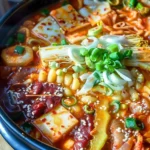
Budae Jjigae, also known as Korean Army Stew, is a savory and hearty dish that combines various ingredients to create a filling meal.
- Prep Time: 15 minutes
- Cook Time: 30 minutes
- Total Time: 45 minutes
- Yield: 4 servings 1x
- Category: Main Dish
- Method: Stovetop
- Cuisine: Korean
- Diet: Paleo
Ingredients
- 4 cups water
- 1 packet kimchi
- 1 can spam, sliced
- 1 cup turkey bacon, chopped
- 2 cups chicken ham, diced
- 1 cup tofu, cubed
- 1 cup mushrooms, sliced
- 1 cup instant ramen noodles
- 1 tablespoon gochujang (Korean chili paste)
- 1 tablespoon soy sauce
- 2 green onions, chopped
- 1 teaspoon sesame oil
Instructions
- In a large pot, combine water and kimchi, and bring to a boil.
- Add sliced spam, turkey bacon, and chicken ham to the pot.
- Include cubed tofu, sliced mushrooms, and let simmer for 10 minutes.
- Add instant ramen noodles, gochujang, and soy sauce. Cook until noodles are tender.
- Drizzle with sesame oil and garnish with chopped green onions before serving.
Notes
- Feel free to adjust the level of spiciness by adding more or less gochujang.
- Can substitute any preferred meat or add additional vegetables.
Nutrition
- Serving Size: 1 bowl
- Calories: 400
- Sugar: 3g
- Sodium: 1200mg
- Fat: 30g
- Saturated Fat: 10g
- Unsaturated Fat: 15g
- Trans Fat: 0g
- Carbohydrates: 20g
- Fiber: 4g
- Protein: 25g
- Cholesterol: 70mg
Keywords: Budae Jjigae, Korean Army Stew, stew, comfort food